Short-Term Goals: How to Achieve More, Faster

In a world where productivity is king and achieving more is on everyone’s minds, setting goals isn’t just important – they are vital. Although long-term goals like “build a successful business”, “pay off my credit card debt” or “grow my YouTube channel” sound inspiring, they can often also feel extremely overwhelming. This is where the majority of people fall flat on achieving their personal goals. But it doesn’t have to be like this. 

Another year does not have to pass you by without you achieving your objectives — this is where short-term goals come in. These pint-sized targets help you stay motivated, track measurable results and work towards making your desired outcome a reality.

In this article, we will explore what short-term goals are, their associated benefits, how they differ from long-term goals and how to set them up practically. 
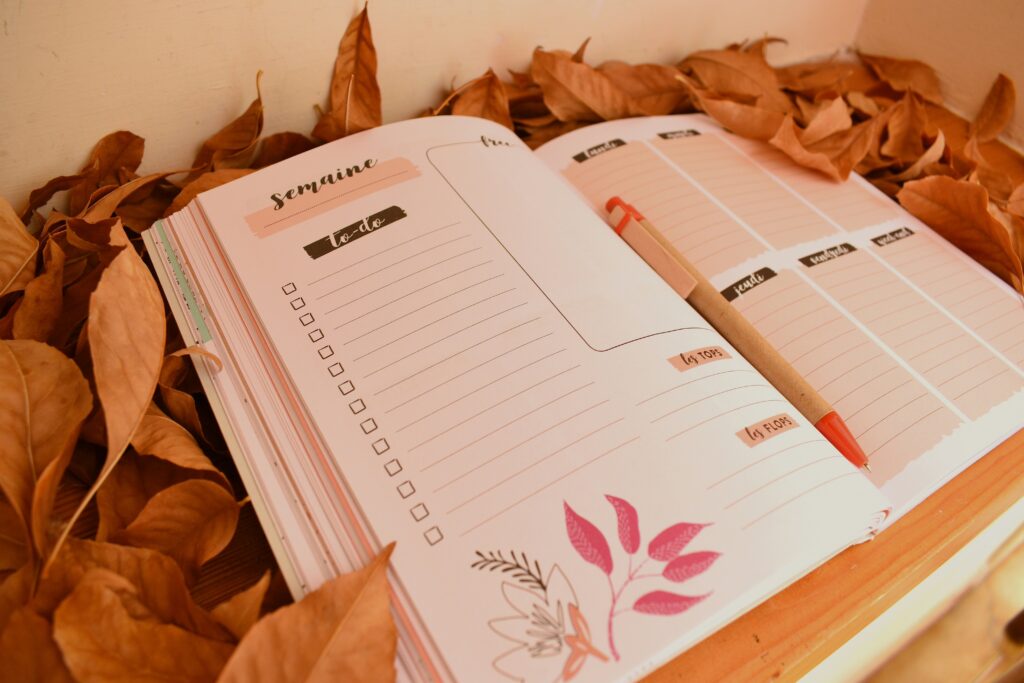
Short goal calendar

What Are Short-Term Goals?

As mentioned above, short-term goals are pint-sized objectives you aim to complete over a short period of time, usually to aid you in achieving bigger, more long-term goals. These short-term objectives are usually achieved in the near future, spanning anywhere from a few days to a few months. They are specifically designed to help you see progress without feeling overwhelmed by the bigger picture. They are specific, actionable and measurable. 

Think of short-term goals as stepping stones leading to your biggest dream. Alone one stepping stone seems insignificant, but together they will get you closer to the end result. Just remember progress is progress, no matter how small. 

Let’s put it into practice. Say for example a long-term goal for you is to start a blog channel. You can’t just jump in and start posting. This big dream needs to be broken down into smaller goals in order to achieve the big one. 

Short-term goals could include first researching how to start a blog, then choosing a niche, brainstorming your first ten posts and ultimately setting up a website. By breaking down this big goal into smaller bite sizes, you make them more manageable and considerably increase the likelihood of success. 

The Benefits of Setting Short-Term Goals

A lot of people might wonder why they should even bother with short-term goals. Especially if the short-term goal does not directly support the long-term objective. Well, the truth is the benefits extend far beyond simply checking off a few items on your to-do list. Here is a quick look at four advantages of setting short-term goals: 

1. Increased Focus 

Short-term goals help to remove the ‘noise’ around you. They help to keep your attention on what task is directly in front of you. Instead of getting lost or overwhelmed by the bigger picture — your long-term goals, they help you zoom in on the immediate steps you need to take. All of this keeps you on track and allows you to reach your goals.

2. Boosted Motivation 

Short-term goals have a way of tricking your brain and increasing dopamine release. Nothing feels better than crossing something off of your to-do list and having the satisfaction of knowing you reached your objective. These frequent wins help build momentum and keep you motivated. 

3. Prevents Feeling Overwhelmed & Anxious

The truth is a lot of the times we write down long-term objectives without thinking of the steps we need to take in order to get to them. Then after a few months you look at them again and you feel anxious and extremely overwhelmed. 

This often leads to people just giving up. However, with short-term goals these big aspirations are broken down into smaller pieces, which makes it feel more manageable and less overwhelming. 

4. Increases Self Confidence & Overcomes Procrastination

If we’re being honest, everyone likes to feel like they are winning at something. Finishing and ticking off any item on your to-do list makes you feel like you are accomplishing something worthwhile. This leads to you chasing that ‘high’ and doing it over and over again. 

While building the initial habit is not always a quick process, it is a rewarding pursuit. According to James Clear — author of Atomic Habits — it takes 66 days to form a habit. Over time, as this habit becomes automatic, you’ll find yourself naturally tackling your short-term goals and procrastinating less about what you still need to do. 

Short-Term Goals vs. Long-Term Goals: How They Work Together

A common misconception is that by focusing on short-term goals, you are neglecting your long-term objectives. However, this is simply not the case. In reality, short-term and long-term goals work in tandem. Long-term objectives usually have a time frame of three to ten years, whereas short-term goals range from a few days to a few months. 

The one is supposed to support the other. Think of them as your favorite movie. The leading actor probably would not have been as funny or heroic without his supporting side-kick best friend. That’s how the relationship should be between long and short-term goals. 

Long-term objectives represent the ultimate destination, the crème de la crème of life if you will. However, without a map leading you to this destination, you feel lost and overwhelmed. 

That’s exactly what short-term goals help to accomplish. Think of them as a road map of sorts leading you to your final destination. In other words, they are the actionable steps that bridge the gap between long-term goals remaining a dream vs. becoming a reality. 

How to Set Effective Short-Term Goals

Setting goals sounds really simple, but when it comes to actually putting pen to paper, a lot of people become overwhelmed. This is where effective strategy and planning comes in. Once you know how, it is actually quite simple from there. Here are four ways you can set short-term goals that work: 

1. Make Use of SMART Goals

Whether it has to do with your personal development or your professional life, SMART goals are a way to set realistic objectives that keep you focused and motivated throughout the process. For a goal to fall under the SMART umbrella, it needs to adhere to five factors. Here’s a more in-depth look at these components: 

  • Specific: Be extremely clear about what you want to achieve. Define your meaning of success. 
  • Measurable: How will you track your progress? Include metrics you’ll use to see how you are progressing in achieving your goals. 
  • Achievable: Ensure your goals are realistic. 
  • Relevant: Your goals should align with your priorities and personality. 
  • Time-Bound: Set a deadline, but also be realistic about your timeline. 

Instead of setting a vague goal such as: “I want to become more fit”. Use the SMART method to set measurable goals. For example: “I want to run a 5K within 30 minutes by training three times a week for the next eight weeks.” This way you create a clear framework of what you need to accomplish. 

2. Break It Down

Big tasks often feel overwhelming and sometimes just downright scary. Breaking big tasks into smaller more manageable chunks relieves stress and reduces the risk of you getting overwhelmed. One example could be that you want to declutter your entire home. That in itself feels intimidating and when looking at the task ahead it is easy to quickly lose motivation. 

Instead, take it one room or even one drawer at a time. Another way to break it down even further is to add a daily reminder to your productivity app to “declutter for 10 minutes”. This way you only have a set amount of time per day to work on it. This daily habit can quickly help you stay on top of your goals. 

3. Prioritise Wisely

Not all tasks are equal in weight or importance. Focus on the ones that are crucial or have a deadline associated with them. You could even implement a productivity method or try a coding system where you rate each priority. You usually use the numbers 1, 2 and 3. 

When a task is categorised as a 1 it is super important and time sensitive. 2 is usually things that are important and moderately time sensitive. Meaning, if you don’t get to it immediately you still have a bit of wiggle room left. Tasks with a level 3 rating are usually not that important or time sensitive at that specific moment. Remember, task ratings can change as time goes on, just adjust accordingly. 

4. Keep Track of Your Goals

Consider using a project management tool like ZenDays to help you manage both long-and short-term goals. You can set your long-term objectives and break them down into daily or weekly tasks (short goals). This will ensure steady progress without losing sight of the ultimate destination. 

Overcoming Challenges in Achieving Short-Term Goals

Even the best laid-out plans can fail when obstacles present themselves. Here’s how to beat common challenges if and when they arise: 

  • Procrastination: Break tasks into smaller steps and create a timeline in which you want to complete them. Stick to your deadlines and use project management apps to set reminders that keep you on course. 
  • Overwhelm: Trying to do too much leads to increased anxiety and burnout. Limit yourself to only 2 or 3 short-term goals at a time. If possible, single-task, don’t multitask. 
  • Distractions: Distractions, no matter how big or small, can quickly eat away at available time and energy. Creating a dedicated workspace and setting out specific time for work can help you stay more focused. 

Remember, setbacks are normal. Just keep moving forward, even if it’s just one small step at a time. Try to implement the rule of never missing two consecutive days of tracking and working on your short-term goals. One is fine, two become a habit. 

Incorporating Short-Term Goals Into Daily/Morning Routines

The best goal is one checked off of a to-do list. Here are three steps you can follow to integrate short-term goals into your daily routine

  1. Start Your Day With a Plan: Use a daily/weekly planner, such as ZenDays, to outline and plan your day accordingly. In your planning app, try and prioritise tasks according to the level of importance associated with them. Alternatively, you can also use the number system mentioned earlier. 
  2. Implement Time-Blocking: Putting time aside for each task feels a lot better than trying to cram it in between events in your daily life. Set out dedicated time for each short-term goal to ensure you actually have enough time to get to it. 
  3. Review Your Progress: At the end of each day, take 5-10 minutes to review. Mark off completed tasks and adjust your plan for the next day accordingly. 

Tracking & Adjusting Short-Term Goals

Tracking progress is not just about ticking something off a list, it is also extremely motivating. Take time to celebrate your wins, no matter how small. 

By continuously tracking your progress you can also adjust your short-term goals as needed. Sometimes you need more time than you thought for a certain task, and other times you progress faster. 

Remember, you are in charge of your own goals. If you need more time or if you need to change things up a bit, you can. Just don’t become stagnant and try to always challenge yourself a bit. 

Why Short-Term Goals Lead to Long-Term Success

It is true, Rome was not built in a day. Nor can you expect success to happen overnight. If achieving goals (long and short term) were easy, everyone would be doing it left and right. But with the use of short-term goals you can break down intimidating long-term aspirations into smaller measurable stepping stones. 

By focusing on what you can achieve over a short period of time, you will build the habits and momentum needed to move you closer to your dreams — whether that is in your professional or personal life. With the right tools and systems in place, success is not only probable but imminent. 

Morning Routine Checklist: Tips for Starting Your Day Right

Picture this: you wake up late, rush through your morning and barely manage to gulp down a cup of coffee before diving headfirst into your day. Sound familiar? All of us have had our share of those chaotic days — where at the end of it we feel we just need to jump in the shower and wash all it away. 

That often leaves us asking ourselves why do some people seem like they can accomplish so much before the afternoon, whereas others struggle to even wake up on time. The secret lies in the power of a great morning routine. The truth is that while you can’t control every aspect of your day, there are things that you can do to set yourself up for success. And all of this starts in the morning — after all, your morning sets the tone for your day. 

A well-structured morning regime can help you feel energised, focused and prepared to tackle whatever lies ahead. This is what this article is all about. It outlines the ultimate morning routine checklist that is the perfect starting point for anyone looking to get a bit more ‘oomph’ out of their days.

Why You Need a Morning Routine Checklist

Mornings are often chaotic, with pressing tasks and distractions pulling you in every direction. Without a plan, you may find yourself starting the day stressed, unmotivated or scrambling from one task to another. A morning routine checklist brings structure to your day, helping you focus on what matters most. It acts as a roadmap that minimises decision fatigue and maximises productivity.

With the right checklist, you can boost your energy levels, create a sense of accomplishment and align your day with your short-and long-term goals.

Core Components a Good Morning Routine Checklist Should Accomplish

A productive morning regime should not just be a list of tasks, but a carefully designed system that helps you achieve specific outcomes. Here’s a quick look at the components your morning routine checklist should accomplish: 

  1. Boost Energy Levels: A good morning routine checklist ensures you feel energised by incorporating tasks that awaken both your mind and body. This includes exposure to sunlight, proper hydration, a healthy breakfast and a quick morning exercise to get your blood flowing. These factors are essential for providing the fuel your body needs to power through the day.
  2. Set a Clear Focus: Your morning routine should include time for figuring out what your focus for the day is. In other words, what priorities you need to get to. 
  3. Foster a Positive Mindset: A well-crafted morning routine fosters a positive outlook that allows you to adapt to daily uncertainties. It provides you with the tools needed for taking on whatever life throws your way.
  4. Build Consistency: Consistently sticking to a morning routine creates stability, helping you get into a natural rhythm where you are constantly starting your day at your best. In other words, this consistency ensures you begin each day on the right foot, reducing stress and building momentum over time.
  5. Prepare for Challenges: A good morning routine equips you with everything needed to tackle obstacles with confidence. Your morning routine shouldn’t be set in stone as life is not linear — things won’t always go as planned and daily challenges will come up. By taking time to plan ahead, having an adaptable routine and anticipating potential roadblocks, you can approach your day with a proactive mindset instead of reacting to problems as they arise.

By focusing on these core outcomes, you’ll ensure your morning routine checklist delivers lasting benefits that allow for a more organised life.

Fit for Purpose

When it comes to morning routines, one of the biggest mistakes people make is trying to do too much or adopting a routine that doesn’t align with their individual needs. The best morning routines are tailored to your lifestyle, goals and responsibilities. Trying to replicate someone else’s routine — no matter how successful it may seem — can lead to frustration and burnout as it was not designed with your unique circumstances in mind.

A productive morning routine checklist is flexible and takes into account factors such as your work schedule, family commitments and personal energy levels. It’s not about cramming everything in, but about doing what works best for you. By crafting a routine that suits your needs, you’re far more likely to stick with it. This approach allows you to strike a balance and sets you up for long-term success.

With the list below, the aim is not to just copy it, but instead use it as building blocks to create your own unique morning routine checklist. Think of it as a flexible blueprint, not a rigid rulebook. It is meant to serve as the foundation where you build your ideal morning routine upon. Embrace the components that work for you and gradually refine them until they consistently help you start your day on the right foot.

The Pre-Morning Routine Checklist

Ironically, to achieve the perfect morning routine, it starts the night before. In other words, what you do before bed — your evening routine — directly impacts how you feel when you wake up. 

1. Get a Good Night’s Sleep

Sleep is one of the few things that each and every person needs. Aim to get between 7 to 9 hours of sleep every night in order to wake up refreshed. Try to avoid screens for at least an hour before bed as this will affect your deep sleep. 

Another thing, if you are someone who struggles to fall due to outside light, consider investing in proper block out curtains. You could even take this a step further by making use of an eye mask. Additionally, research has also shown that white noise can improve sleep quality. Examples of white noise range from expensive machines or even just the rhythmic sound of your fan. 

2. Set Out Clothes or Essentials

Avoid the morning scramble by setting out your outfit the night before. You can even take it a step further and prepare key items the previous night. For example, things like putting your gym clothes by the door, meal prepping or even readying your coffee for the next morning. These small habits reduce decision fatigue, stress and help to streamline your morning regime. 

3. Plan Your Top Priorities

Before going to bed, jot down 2 to 3 priority tasks for the next day. Consider using a planning app like ZenDays that allows you to quickly add and track your essential tasks. This will ensure you know what requires your focus as soon as you wake up. By taking this approach you can also reduce the amount of overwhelm and anxiety you feel the next day when looking at your to-do list. 

Your Morning Routine Checklist for Having More Productive Days

With your pre-morning tasks out of the way, you can start with the morning regime itself. Below is a list of morning routine checklist ideas which you can use to craft your own morning routine. Remember, you don’t have to do all of them at once, each person is different. What works for one person might not work for another. The goal is to tailor it to your lifestyle needs and not just use it as is. 

1. Wake Up at a Consistent Time

Although most people want to rebel against having a set routine, the human body thrives on it. By waking up at the same time every day — yes, even on weekends — it helps your internal clock stay in sync. This will lead to you feeling less groggy and more energised. 

2. Make Your Bed

As soon as you get up, make your bed. While this might sound silly, this small act has two major benefits. First, it creates a sense of immediate accomplishment. As soon as this is out of the way, you’ll feel more motivated to take on the rest of the day’s tasks. Secondly, it reduces the chances of you climbing back into bed and procrastinating. Besides, coming home to a neatly made bed is a small, yet extremely satisfying reward. 

3. The Gift of Water

The human body consists of around 75% water. It’s no wonder that when we don’t get enough water we feel wrung out, irritated and our skin becomes patchy. Your body needs water for many reasons, from organ function all the way through to clearer skin. Start your day with a glass of water to jumpstart your metabolism. 

If you struggle to drink water throughout the day, pair it with something you love. For example, each time before you drink a cup of coffee, you first need to finish a glass of water. If you want a zesty twist and some added vitamin C add some lemon to your water. 

4. The Power of Natural Light

Sunlight is like an alarm for your brain to stop producing melatonin. Melatonin is the hormone that responds to darkness and helps to regulate your internal clock. It is also the thing that makes you feel sleepy. Expose yourself to natural light within the first few minutes of waking up. If natural sunlight isn’t an option for you, consider getting a light therapy lamp. 

5. Get Moving

Physical activity releases endorphins, which are the feel-good hormones responsible for improved mood and focus. By doing a light exercise in the morning not only boosts your mood, but it helps with blood circulation and wakes up your muscles. These light exercises could take the form of stretching, yoga or just a brisk walk. 

6. Cold Showers

This one might not be for everyone and it is certainly not always pleasant, but it does hold some benefits. Cold showers invigorate your body and sharpen your mind. The icy water can actually stimulate circulation and reduce inflammation. While it is not necessary to only limit yourself to icy waters, quickly turning to just cold water after a normal shower will have the same invigorating effect. 

7. Healthy Breakfast

Food is fuel for the body and brain. Start your morning with a nutritious breakfast that aids you for the day’s activities. Your meal should include a balance between protein, fats and healthy carbohydrates. 

8. Focus Your Mind

By intentionally focusing on things around you, you prepare your mind for the day ahead. As you are enjoying your morning coffee, spend 5 to 10 minutes practising gratitude or mindfulness. 

This can take the form of you physically writing things down, jotting down notes on your digital planner or even just cataloguing things in your mind. Doing this regularly cultivates a grateful attitude and can reduce stress. 

9. Growth & Inspiration

Personal growth is one of the best investments you could ever make. Where possible, dedicate some time throughout the day towards this goal. This could include listening to a podcast, learning a new skill that interests you or just reading a chapter from a book. This habit will keep your mind sharp and motivated. 

10. Prepare for the Day

You are far less likely to feel stressed or overwhelmed if you know what to expect. Not to say there won’t be things that pop up unexpectedly, that is always a possibility. By opening your project management tool and taking a moment before you jump into your day to look at your calendar or to-do list can help you mentally prepare for the day ahead. 

11. Take a Page Out of Brian Tracy’s Book (Eat That Frog)

Brian Tracy is the person responsible for the productivity method called “Eat That Frog”. What this method entails is you tackling your hardest or biggest task first thing in the morning. By completing this early it gives you a sense of accomplishment and sets the tone for a productive day ahead. 

To Sum Up

A good morning routine checklist isn’t just about ticking items off a list — it’s about setting yourself up for success. It’s not about how long your routine is or rushing to finish everything within the first 10 minutes. Instead, it’s about building consistency and discovering what truly works for you. By taking a holistic approach, you can create a morning routine that’s tailored to your lifestyle, making it not only effective but also easier to maintain in the long run.

5 Productivity Systems You Need to Know: Your Guide to Getting More Done

In today’s busy world, staying productive is everything. Without it, we are stuck in a place where procrastination takes over, and to-do lists just grow larger and more daunting. We need something to help us stay on track and manage our daily workflow effectively. This is where productivity systems come into play. 

They help bring clarity to our lives, allow us to become more efficient, and provide a sense of calm before and after the storm. This post will explore the 5 best productive methods to help you get more done.

What Are Productivity Systems?

Productivity systems are powerful tools that help us better manage our time and provide us with a baseline of how to get things done. While these tools can’t do the work for us, they can guide us towards the most optimal path for handling our daily tasks. Think of them as your cheat sheet. 

Without these productivity methods, you are essentially just going through the motions and dealing with duties as they arise. However, in most cases, this is not the most efficient approach as this often leads to several important tasks being left on the backseat and the individual feeling that they haven’t accomplished anything of immense value for the day. 

With a good productivity system and productivity planner, you know what to tackle and how you should execute your workflow. That said, not all of these productivity techniques are designed in the same way and might focus on different areas to help you become more productive. Here’s a quick overview of how these tools can help:

  • Prioritisation of what is important
  • Aids with goal setting and tracking
  • Reducing procrastination
  • Balanced and organised workload
  • Braking tasks into smaller more manageable steps
  • Minimising stress and the feeling of being overwhelmed
  • Increased focus and efficiency 
  • More improved time management system

5 Powerful Productivity Methods To Boost Your Efficiency

Ready to take control of your day? Here are 5 productivity techniques to help you tackle your to-do list with ease:

Eat that Frog Productivity system

Productivity Technique #1: Eat The Frog – Tackling the Biggest Task First

“If it’s your job to eat a frog, it’s best to do it first thing in the morning. And if it’s your job to eat two frogs, it’s best to eat the biggest one first.” — Mark Twain

One of the most well-known productivity methods is Eat That Frog. Brian Tracy first introduced this concept in his popular book of the same name in 2001. It is based on one of Mark Twain’s famous quotes and involves doing your biggest duties first instead of pushing it to the side and waiting until the last minute to complete it. 

The great thing about this approach is that after you have tackled your “frog”, the rest of your daily obligations seem easier. Everything starts to flow more naturally and you’re less stressed about what you still need to accomplish. Unfortunately, many of us are guilty of doing the opposite. 

Instead of jumping right in, we avoid it until we have no more choice but to get started. The problem is that even if we spend our time on other vital duties, the “frog task” is still in the back of our minds, pulling our attention away from what we are busy with. This distraction often leads to decreased productivity and focus.

By using the Eat The Frog Technique, you can minimise procrastination and start your day on the right foot. The key is to tackle the one task that will have the biggest impact on your day. You’ll find that once your frog task is complete, a burden is lifted from your shoulders and you are ready to take on your other obligations with ease.

Productivity Technique #2: The Eisenhower Matrix – Urgency and Importance

The next time management method evolves around the urgency and importance of your tasks. This is a much different approach than many other techniques as they usually only focus on the importance of a task. The way the Eisenhower Matrix works is that it breaks down priorities into four distinct quadrants:

  • Quadrant 1: Urgent and Important – These priorities are the most essential and require your focus first. 
  • Quadrant 2: Important but not urgent – This group represents crucial priorities, but they do not require you to do them immediately. These tasks can be scheduled.
  • Quadrant 3: Not important, but urgent – These priorities require your attention but carry little value towards your goals. If possible, it is better to delegate these tasks.
  • Quadrant 4: Not Important and Not Urgent – Tasks in this quadrant are neither essential nor time-sensitive. They are the types of priorities that you want to minimise or completely remove.

The Eisenhower productivity method allows you to prioritize tasks and provides you with a framework of how to tackle them efficiently. This technique is very effective at helping you focus on high-impact tasks while minimising your time spent on low-value duties. This approach reduces stress and enables you to focus your energy levels on the obligations that truly matter.

The Pomodoro Productivity Method

Productivity Technique #3: The Pomodoro Strategy – Time-Boxing for Focused Work

The Pomodoro technique is a strategy that allows for effective time management. This productivity system was first developed in the 1980s by Francesco Cirillo and involves the use of scheduled work intervals typically lasting around 25 minutes. After the work interval, or “Pomodoro,” the user is allowed to take a short five-minute break. 

The name “Pomodoro” — which in Italian means tomato — comes from the tomato-shaped kitchen timer Francesco used to time his sessions. After completing 4 Pomodoros, you are allowed to take a longer break — around 15 to 30 minutes. This productivity method is a great one to use and is effective at keeping a user focused on each of her or his individual tasks. 

Productivity Technique #4: Time Blocking – Structuring Your Day in Blocks

Time blocking is a rather simplistic productivity system but that does not take away from its effectiveness. It involves scheduling your daily tasks in blocks of time and then tackling them accordingly. Time blocking — also commonly referred to as calendar blocking — is an effective tool that allows you to better manage your time by dedicating a specific time to certain tasks.

When implemented correctly, it allows for efficient task prioritisation, prevents multitasking and can significantly reduce distractions. Time blocking is a particularly useful productivity method for people juggling multiple priorities and those with a busy schedule. By planning out your day with a task management app or a simplistic planner, you can have a clear roadmap of what you still need to accomplish, helping you stay on the right track.

Productivity Technique #5: The 2-Minute Rule – Handling Quick Tasks Immediately

As we move throughout our day, small tasks have a tendency to quickly stack up and catch us off guard when we least expect it. The 2-Minute Rule, popularized by productivity expert and author David Allen, is a simple technique that can completely prevent this pile-up. The rule is rather straightforward and states that if a task can be completed in 2 minutes or less, you should do it right away instead of pushing it to the side.

By checking off quick tasks as they arise, you keep small items in check and prevent them from piling up in your to-do list. This proactive approach is highly effective for maintaining momentum as it frees you up from small obligations that could have otherwise created a distraction. This allows you to stay focused and eliminates the need to circle back to minor duties that would slow down your efficiency. 

How to Choose The Right Productivity Method For You

The best way to find the right productivity method for your task completion needs is to try a few of them out and see what works well. Often, it is better to mix and match these methods based on your workflow and the situation at hand. This hybrid approach can leave you with a task management system that can confidently handle anything you throw at it.

Whether you choose to use one of these techniques or all of them, it does not really matter. The only important thing is that it helps you to increase your overall efficiency and make your workload easier to manage.

Selecting a system that aligns with your work habits, will allow you to maximise your productivity and take control of your time. Remember, don’t be afraid to experiment — none of these productivity systems are set in stone. After all, the best technique is the one that works the best for you. Couple these techniques with a simplistic planner such as ZenDays and you will be able to expertly handle anything that life throws your way.

7 Tips on How to Organize Your Life for More Productivity and Less Stress

Raise your hand if you have ever felt like your entire life is spiralling out of control and you have no idea how to get everything back on track. There is no shame in it, most of us have experienced this feeling at some point in our lives. The truth is that too often life’s daily demands make us fall down a pit filled with overwhelm and stress — and we are just not sure how to climb back out again.  

The trick is to get systems in place to help you stay disciplined and allow you to effectively manage whatever is put on your plate. This is what this post is all about. This article will explore 7 tips on how to organize your life — and keep it that way — so you can regain control and boost your productivity. Consider these few tips as your practical guide to a more balanced and organized life. Let’s jump in.

Abstract art of a person thinking

Assess Your Situation

The best place to start is to first assess the situation. Take a step back and look at all the areas of your life that feel chaotic and disorganized — whether it’s relationships, home, finances work or even your own business. Identify what components of your life are contributing to this. For example, this could be a tendency to procrastinate, a massive workload, poor time management skills or overbearing stress.

After you have identified the causes, you can start to implement steps to rectify them. However, you first need to figure out what they are. It’s like that popular quote, “You can’t manage what you can’t measure.” By tackling the root issues, you can reduce the chaos and build a more organized daily routine.

Set Clear Goals and Priorities

Now that you know what areas need refinement, you can create targeted goals around them. Use a daily planner like ZenDays that makes it easy for you to set, track and visualize your objectives. It is crucial you get specific about what you want to achieve and one effective way to do this is to create S.M.A.R.T. goals. 

These types of goals are a little bit different from normal objectives as they provide a framework of what steps you will take to achieve them. Allow me to explain: The acronym S.M.A.R.T stands for “specific,” “measurable,” “attainable,” “relevant” and “time-bound.” 

What’s great about this approach is that it encourages you to break down your goals into smaller and actionable steps, providing you with a clear roadmap to follow. For instance, instead of setting a vague objective such as “be more organized”, a smart goal  would look like “spend 15 minutes every evening organizing your workspace for the next 30 days.” 

This clarifies the objective, sets a realistic time frame and identifies the specific actions required to achieve it. S.M.A.R.T. goals provide you with a sense of direction, helping you take the right steps towards a more organized life.

Organized space

Organize Your Physical Space

According to Been There Dump That, 80% of people struggle with anxiety and stress due to the clutter they face in their living space. Decluttering your surroundings is crucial for mental clarity and productivity. A messy environment equates to a messy mind. In reality, all of this slows down your cognitive capabilities, making your brain feel sluggish and reducing your ability to focus. Now imagine trying to work in such an environment — it would be incredibly challenging to get anything done. 

A memorable example of this is in the movie Limitless. After Bradley Cooper’s character obtains a pill that drastically improves his mental capabilities, the first thing he decides to do is clean his apartment. He realizes that he can’t think or function efficiently in the chaotic environment he has created for himself —  and hence, he starts to clean. 

This straightforward act of tidying up represents his newfound clarity to succeed. Once his place is organized, his mind is free to think of outlandish ways he can better his situation, and he gets to work. Similar to that scene, decluttering your space can also provide you with the same sense of freedom allowing you to effectively tackle and plan your day. 

Remember an organized space creates a mental atmosphere that promotes productivity and calm. When you feel like you can’t think, maybe it is time to do a good old spring clean. Or if you have too much stuff, getting rid of the things you don’t need might be a worthwhile pursuit. Clearing physical clutter might sound like I’m just telling you to do your chores, but this one task can have a profound effect on your mindset, allowing you to seize your day with clarity.

Time management

Implement Time Management Strategies

One big factor contributing to that feeling that our life is spiralling out of control is often that we have too much going on. The problem is that we don’t always know how to deal with everything and this in turn creates a pile up of duties we have to get to. Couple this with poor time management skills and you have a cycle that leads to stress and overwhelm. 

If this sounds familiar, I have two words for you… Productivity Systems. Productivity systems are tools that allow us to better prioritise our daily obligations and manage our time more effectively. They help us identify what is important and provide us with the know-how to tackle tasks efficiently. 

With a good productivity system in place, you can break large workloads into manageable steps, focus on high-priority tasks and set realistic goals for each day. For example, with the Pomodoro or time-blocking technique, you use time intervals to prioritize your tasks and maintain focus without feeling overwhelmed. 

Both of these methods encourage you to work on tasks in set periods of time that are followed up with short breaks that revitalize you. This helps you to work through your to-do list in a productive manner while avoiding burnout. Implementing these strategies into your daily routine allows you to gain more control of your time and provides you with a sense of direction. 

The key to making productivity systems work for you is to find the ones that align with your lifestyle. Experiment with different productivity methods until you find the ones that show results. Remember effective time management is not about getting everything done on your to-do list, it is about creating a balance that ensures you focus on the tasks that truly matter.

Use Tools to Help You Stay Organized

One of the best ways to learn how to organize your life is to start using tools that help you stay organized. It sounds simple cause it really is. All you essentially require is something that allows you to plan your day, track important dates and a place where you can scribble down your thoughts. 

This process helps you to plan for the unexpected and eliminates the need to remember all the duties you need to complete. This frees up mental space and reduces the feeling of overwhelm. 

Whether you prefer to use digital tools or a good old-fashioned notebook, these tools provide you with a system for managing your tasks, appointments and ideas in an organized way. As with most things, the key is consistency. The more you make it a habit to use these tools, the better you will be at staying on top of everything that life chucks your way.

Create Healthy Routines and Habits

Building strong habits and healthy routines is the foundation for having a more organized life. When your day is structured around consistent routines, you reduce the mental energy required to make decisions and can focus on the priorities that matter the most. You can start off by implementing habits that are designed specifically for you. 

What I mean by this, is take a look at your natural inclinations and embrace them. For instance, if you are a morning person, try to schedule your most important tasks that require the most brain power for that part of the day. Or if you do your best work at night, don’t implement processes that take away from your night owl routine. 

In other words, incorporate habits and routines that are based on your everyday life. They should work with you and not against you. The goal is to find a rhythm that works with your natural flow, instead of forcing you to embrace a routine that feels unnatural. 

Having a good amount of healthy habits that align with your preferences makes your daily tasks more manageable and increases your productivity over time. When your habits are tailored to your natural tendencies, you’re more likely to stick with them, further creating a sustainable foundation for long-term success.

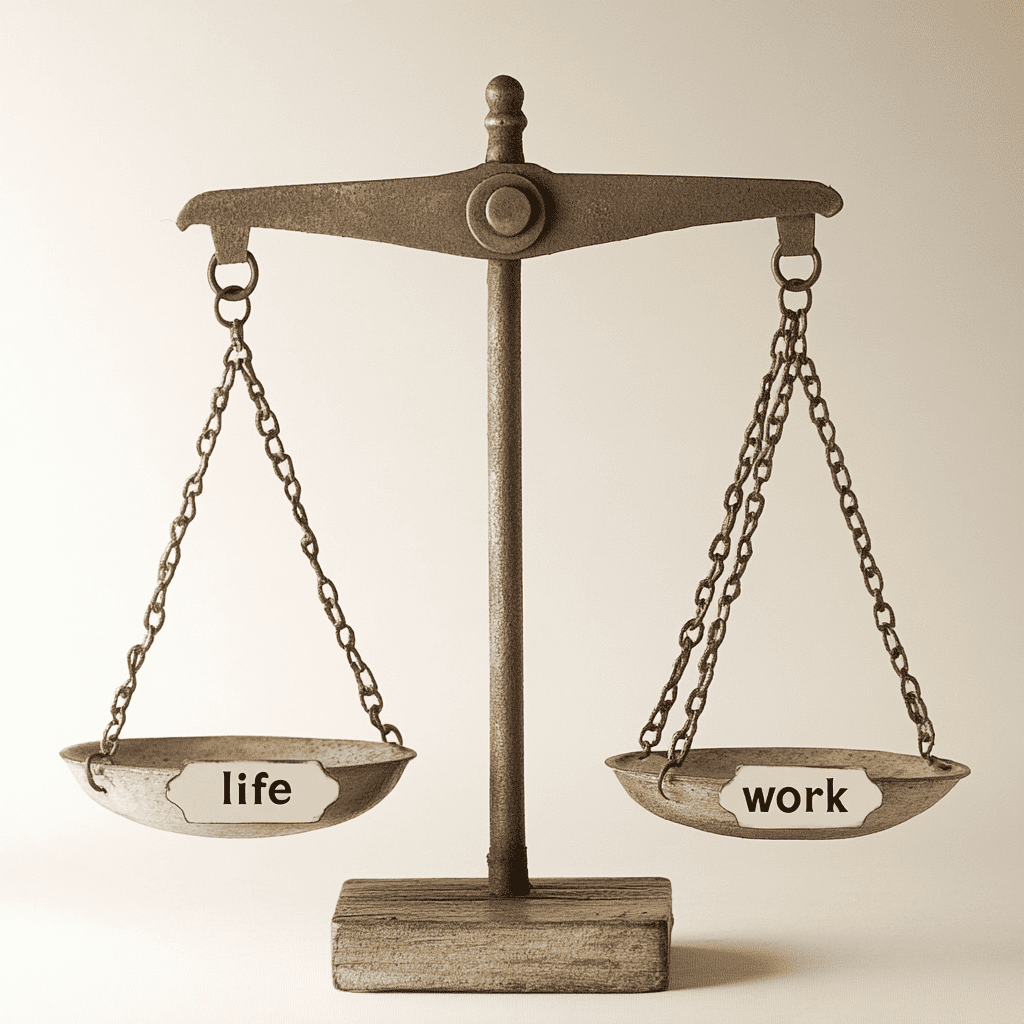
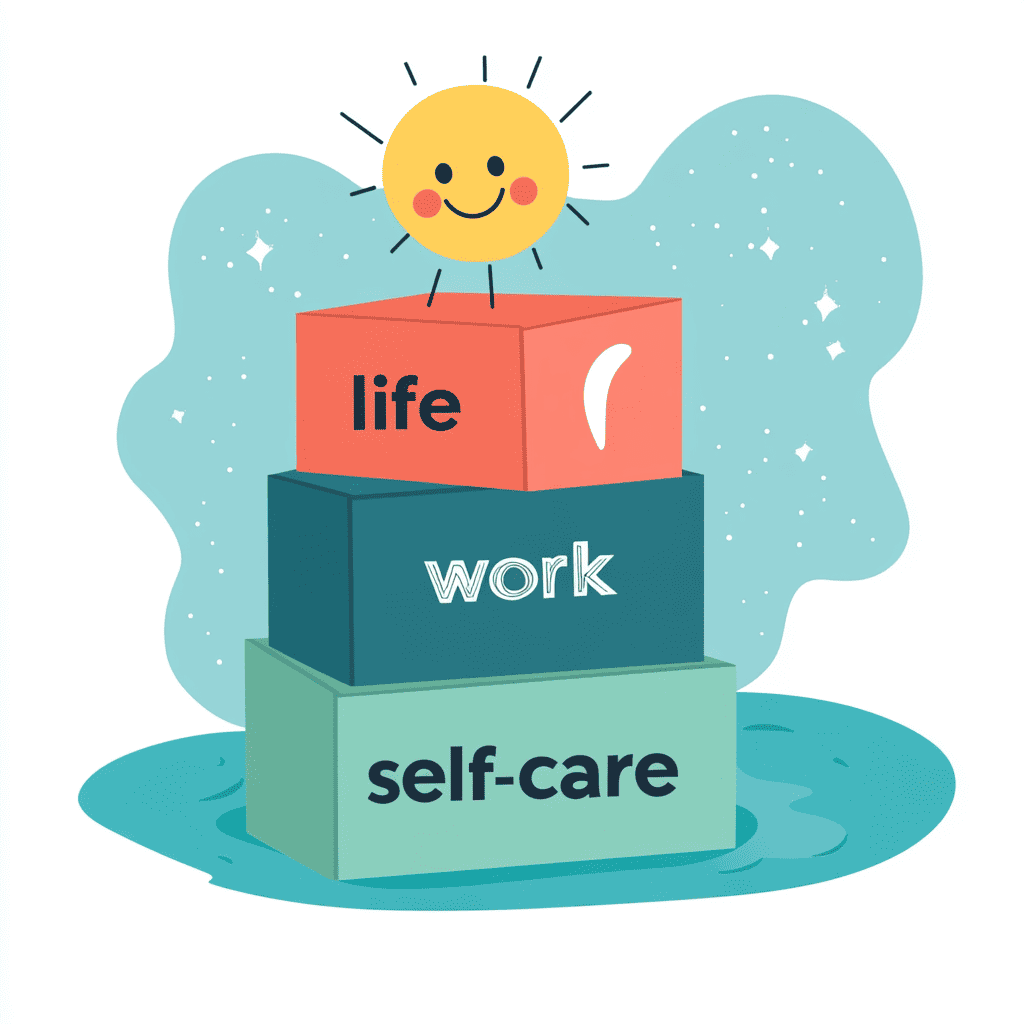
Balance Work, Life, and Self-Care

Without trying to sound like a cliché kung fu movie from the early 2000s, one of the key pillars to an organized life is balance. The three major categories that you should pay attention to are your work, personal life and health. It’s easy to get caught up with one area such as chasing down deadlines at work or losing yourself in a new hobby, but falling behind with any of these areas can quickly disrupt the balance. 

Ensuring that you dedicate enough time to work, unwinding, hobbies and self-care is crucial. Taking care of both your mental and physical well-being is equally as important as being productive at work. In fact, when both of these factors are performing at their fullest potential, your productivity levels are even higher. 

When all of these elements are in harmony, you’ll feel more energized, focused and motivated to stay organized across the board. Finding a balance between these three categories does not mean splitting your time equally between them. Instead, the goal is to adapt and allocate time to the group that needs it the most. 

On some days your work will take precedence, while on others it will be more important to spend quality time with friends and family members. The key is to not let any of these be consistently on the backseat. Look at your work, personal free time and self-care to figure out a balance that works for you. Balance is about striking harmony, not seeking perfection.

Keeping Your Life Organized

Learning how to organize your life is not a one-type thing — it requires consistent effort and adjustment. If one area of your life has started to slip, implement new habits to get it back on track. 

Staying an organized person is a continuous process of self-reflection and refinement. It’s about finding what works best for you and adjusting when the need arises. Remember, life can quickly get chaotic and that is perfectly fine. 

All that is required on your part is to be adaptable. Without you adjusting to the hurdles that life throws your way, no change can take place and it will stay messy. The key is to keep making small changes that help you regain control. 

With the right tools, habits and a focus on balance, you can create a life that feels well-managed. The journey may not always play out smoothly, but with consistent effort, you can put yourself in a position that allows you to confidently deal with anything that comes your way.

How Using a Daily Productivity Planner Can Boost Your Efficiency

In a world filled with distractions and out-of-control to-do lists, it is easy to fall behind on important tasks. This is where a daily productivity planner comes in. They serve as a way to better organise your daily life and control your time. This post explores what a productivity planner is, how it improves efficiency, the key features required and what benefits it can provide to your daily routine.

What Is a Productivity Planner?

A productivity planner – also commonly referred to as a daily planner, organiser or habit tracker — is a tool that allows users to track tasks, set goals and manage their time more effectively. Productivity planners are available in physical and digital formats, providing more flexibility for different lifestyles. Their main goal is to provide an organised structure for daily, weekly or monthly planning, allowing users to stay on top of all their deadlines.

A productivity planner makes it easier for people to manage their time effectively while also helping them focus on their most important priorities. On top of making prioritising easier, they also save time in the long run. We’ve all faced moments of stress, where we are overwhelmed with an important task and a deadline that seems impossible to reach. 

But once we start breaking it down and planning it out, the task often feels far more manageable than it initially seemed. This is exactly where productivity planners shine — they transform daunting to-dos into achievable, organised steps, making life’s demands easier to tackle.

4 Ways a Daily Productivity Planner Boosts Efficiency

A productivity planner can boost efficiency in several ways:

1. Improved Organisation and Planning

A productivity planner offers improved organisation by keeping everything managed in one space. Instead of relying on memory, users can quickly glance at their to-do list to get a comprehensive overview of what they still need to accomplish. This simplifies the organisation process and makes it easier to stay on top of deadlines helping to improve overall efficiency. 

As previously mentioned, planning your weekly/daily tasks makes everything also more manageable and saves time. According to the famous book, Eat That Frog, spending 10 to 12 minutes planning your tasks can save 2 hours of your day. 

2. Task Prioritisation

When it comes to staying on top of priorities, productivity planners are truly a game-changer. They make managing priorities feel like second nature, bringing clarity and ease to your daily workflow. Not all tasks are created equal, meaning some carry more weight and urgency than others. Tracking your duties in an organised manner with the aid of a productivity planner can help you identify what are the most crucial tasks to get done. 

This enables you to focus on the priorities that have the biggest impact, directly increasing your overall efficiency. All of this creates a productive mindset, enabling users to complete duties more seamlessly. Prioritising high-impact tasks first, helps to ensure that your energy and time are spent on activities that drive results. 

3. Goal Setting and Tracking

Productivity planners also help with setting and tracking goals. Most planners have a dedicated section where you can set short and long-term goals. This allows you to create a roadmap that aligns with your priorities. By breaking these goals into smaller manageable tasks, you can maintain focus, stay dedicated and make consistent progress towards them.

As you continue to complete tasks, you can adjust your goals to ensure you are still working towards the objectives that matter the most to you. Thanks to this ongoing process of tracking and adjusting your objectives, you stay on track and continue making meaningful progress over time.

4. Accountability

Have you ever noticed that when you write down a task, you have a greater sense of urgency to complete that task? That’s because as soon as you write down or schedule a priority, accountability starts to form. In other words, by committing your tasks to paper — or a digital planner — you feel more responsible to follow through and complete it.

The truth is that this simple act of writing your duties in a productivity planner can make it more likely that you will stay focused and take action. This directly impacts your overall efficiency helping you stay on top of your daily demands. 

5 Main Benefits of a Daily Productivity Planner 

No matter what type of daily productivity planner you prefer, all of them usually offer 5 main benefits. Let’s take a quick look at them below:

1. Increased Productivity

Ok, so who did not see this benefit coming? All jokes aside, people who have actively used a productivity planner to organise and track their daily workflow have often seen a noticeable increase in their productivity levels. This is easy to understand as completing tasks in a structured, laid-out manner can lead to a sense of accomplishment, helping users stay motivated and pushing them to keep moving forward.

2. Reduced Stress Levels

Another great benefit of using these planners is that they can reduce your stress levels. When you look at it objectively, one of the main things that productivity planners do is that they create balance. In other words, they eliminate a lot of the accompanying chaos that comes with daily demands. 

A well-balanced schedule reduces stress by providing clarity and the needed structure in our daily lives. Knowing what needs to be done can lead to a calmer and more focused mentality. 

3. Better Time Management

A productivity planner allows individuals to better manage their time. Users can assess their daily duties and assign dedicated time slots in which they will complete their tasks. This enables them to plan out their days in a way that best fits with their lifestyle. 

4. Improved Work-Life Balance

A daily productivity planner allows individuals to schedule both personal and professional engagements, helping them improve their work-life balance. By tracking both of these areas, users can create perfect harmony between the two. This approach ensures that neither work nor personal obligations are neglected. 

5. Reaching Long-Term Goals

Productivity planners help users to track their goals and break them down into manageable tasks. With consistent tracking, individuals can shift their focus to duties that have the biggest impact. This holistic approach ensures that each task they complete brings them one step closer to their long-term goals. 

Increase Your Efficiency With a Daily Productivity Planner

A productivity planner can significantly increase overall efficiency, allowing users to better organise their daily demands. Keep in mind that not every planner is made the same way. What works for one person’s lifestyle, might not fit with another’s. 

In order to choose the best planner for your lifestyle, look at what features align with your needs. Whether that is task prioritisation, goal setting or tracking, choose a planner that complements your workflow. With the right planner at your fingertips, you’ll be able to stay on-task, reduce stress and make meaningful progress towards both long- and short-term goals. 

How to Plan Your Day Effectively: From To-Do to Done

Planning isn’t just helpful — it’s essential. We have all heard Benjamin Franklin’s famous quote, “If you fail to plan, you plan to fail,” but what does that really mean? Well, if you just take things head-on as they come without planning for a specific outcome, chances are you won’t be adequately prepared to handle every endeavour, whatever they are. 

While many of us realise the importance of planning, we don’t always implement it. Sure, we plan for big events or an upcoming trip, but often we overlook planning for the most important thing — our day. This is where this blog post comes in, it will highlight the importance of how to plan your day, things you need to keep in mind and some helpful tips to get you started. Let’s dive in and make planning an effortless part of your routine.

Build The Habit

First things first, you want to build the habit of planning your day, and like any habit, that takes time and consistency. The truth is that some days this will feel effortless — you might even feel like your to-do list is calling to you. On other days, you might struggle to get out of bed. While that is perfectly normal, those are the days that it truly matters the most. 

The goal is to make daily planning a part of your morning routine, no matter how small. Taking a few minutes to plan can change the whole tone of your day. It can even save you more time. As Brian Tracy writes in Eat That Frog, spending around 10 minutes on planning can free up as much as 2 hours in your day. 

You can use planning tools like ZenDays to help you organise all your daily tasks. As you become more used to the process with every planning session, it will start to feel like second nature. Eventually, you will reach the point where you can’t start your day before having your planning session.

How to plan your day

Have a Brain Dump

Sometimes when we feel like the walls are starting to close in, it is often because we have too much going on upstairs. Meaning, that we have so many duties that we need to get to that our mind can’t make sense of it all, hench we start to feel boxed in. Now the best way to avoid this and set your day up for success is to have a brain dump.

This is where you write down all your obligations on a piece of paper or utilise a digital format so that you can start to visualise everything in front of you. Often, this simple act alone is enough to make you feel calmer. The idea of this is to get rid of all the mental clutter that is slowing you down. 

This approach allows you to identify what is important and what is simply not worth the effort. From here you can start focusing on the tasks that will have the biggest impact. A morning brain dump can free up mental space, allowing you to prioritise your more essential duties with ease. 

Learn How to Prioritise Your Daily Tasks

Not all duties hold the same level of importance. Some tasks are crucial to your goals while others are simply routine to-dos. Learning to prioritise what is worth your effort is the real secret to having your day run smoothly. It allows you to tackle the obligations that have the biggest impact, helping you to only spend your time on the things that matter.

Many people prefer to use a productivity method such as the Eisenhower Matrix or the Eat That Frog principle. With the Eisenhower Matrix technique, you focus on two factors — the urgency and the importance of your tasks. Essentially it breaks all tasks down into 4 groups or quadrants: 

Quadrant 1: Urgent and Important – Requires immediate attention

Quadrant 2: Not urgent but important – Schedule it

Quadrant 3: Urgent but not important – Delegate if possible

Quadrant 4: Neither urgent nor important – Remove or do them last 

Assessing what tasks are urgent and important is crucial for the Eisenhower Matrix. It is a great way to organise your priorities and enables you to figure out what tasks you should spend your time on. On the other hand, the Eat That Frog principle is all about doing your most important tasks first.

It gets its name from the fact that we often avoid doing a task that seems daunting or time-consuming even though it is important — which in this case represents the frog. By using these methods, you can identify what truly requires your attention. 

Whether you use the Eisenhower Matrix or the Eat That Frog Principle, both are designed to help you tackle the most essential duties first. Both these approaches allow you to have better time management skills and use your energy levels more productively. 

Create Your Tasks Around Your Goals

Have you ever felt that you are getting things done, but you are still no closer to reaching your goals? If so, you most likely need to take a second look at your personal tasks to ensure they are getting you closer to the bigger picture. In other words, base your daily to-dos on your long-term goals. 

This ensures that you are working towards the things that actually matter, helping you have a more productive day. In reality, not all tasks that you need to accomplish will contribute to your goals. However, try to create a balanced workflow where you focus on both goal-contributing tasks and other necessary daily duties. 

Break Down Your Duties Into Smaller Parts

Many times we look at our daily schedule and feel overwhelmed because we have no idea where to start. To help make your daily tasks more manageable, break them down into smaller steps. This process makes large and daunting tasks feel a lot more doable. In addition, focus on the step that you are busy with and don’t worry about what is yet to come.

Often we worry so much about something we haven’t even started with, that we abandon the entire thing. In other words, if you are on step 1, focus on that and forget about the rest.  Don’t think about the next three steps while you are still busy with the first one. Single-task, don’t multi-task. Staying present with each part of the task helps prevent feeling paralysed by the bigger picture and lets you progress one step at a time.

Implement Time Blocking

Time blocking involves dedicating specific blocks of time for different daily tasks. This allows you to minimise distractions and focus all your time on one task. Time blocking can help you stay on track and allow you to tackle priorities one by one quickly.  You can even take time blocking a step further with the Parkinson’s Law principle.  

Parkinson’s Law states that “work expands to fill the time available for its completion”. Meaning, even if you could have completed the task in two hours, it will still take the amount of time you assigned to it. 

While you want to provide yourself with a realistic time frame, you also don’t want to give yourself too much time to procrastinate. When implemented correctly, both of these techniques can help you handle your daily demands effectively. 

Find Your Daily Planning Tool

To help make planning your day easier, you need the right planner for your lifestyle. Consider whether you prefer a digital, physical or even hybrid approach and go from there. If you do decide to go digital, look for one that has features available that suit your needs and goals. 

Having the right planner that works for you is the key to making your days run smoother. Try a few options to see which one best complements your workflow and helps you stay focused. 

With the right planner and a few effective strategies, setting your day up for success becomes a straightforward process. Remember to focus on consistency as this will make planning your day feel effortless, helping you stay productive with your daily obligations.

How to Choose The Best Daily Planner App for Your Lifestyle: 3 Options to Consider

In our busy lives, it is easy to feel overwhelmed and get caught up in everything we still need to do. Without a clear system in place, it’s common for people to lose track of priorities and fall behind on important tasks. This is where a daily planner app comes in.

They create balance in our lives by organising everything we need to accomplish in a simplified tracking manner. This makes it easier for people to stay consistent with their daily objectives. It is safe to say that for many busy professionals, planner apps have become essential tools for managing daily tasks, appointments and goals. 

In addition to helping us manage our lives better, planner apps also increase our productivity levels and save us time. According to Brian Tracy’s popular book — Eat That Frog — 10 to 12 minutes of planning can save two hours of your day. 

That said, while planner apps offer many benefits, not all of them are made the same way. Choosing the one that is based on your needs is the key to making it work for you. In this post, we’ll explore how to find the best daily planner app to fit your lifestyle, why you need one, some great options to consider and useful tips to help you stay consistent. Let’s jump in. 

Why Do You Need a Daily Planner App?

The primary reason to use a planner app is that it helps you to stay organised and simplifies your workload. It eliminates the mental burden of trying to remember everything and makes it easier for people to keep track of multiple tasks. In addition, planner apps allow for better time management and improved task prioritisation. 

With individuals actively tracking their tasks and deadlines, it enables them to better manage their time as well as identify the most essential priorities for the day. It also allows them to consistently plan ahead. This creates a more streamlined process and helps them to stay on top of everything. Thanks to this improved organisation system, it decreases stress as well as anxiety and increases overall productivity. 

Another perk of these useful apps is that they help with habit formation. This is where something becomes second nature thanks to repetition. For instance, if you actively try and create a to-do list every morning, eventually you will form that habit. 

Planner apps help to build those initial building blocks that lay the foundation for a habit to form. Thus, they are essential tools for task tracking, reaching goals and time management, making them a good option to consider for anyone trying to get a little more oomph out of their day. 

Key Features to Look for in a Daily Planner App

When it comes to choosing the best daily planner app for your life, there are a few key features you want to look for. Here is a quick rundown:


    • Excellent task management: Look for a planner app that allows you to organise and add tasks quickly. Some bonus features you can look out for are task management features like categories, subtasks, due dates and the ability to reorder priorities based on importance.

    • Ease of use: This one is not necessarily a feature but more a quality-of-life benefit. You want the productivity app to have an easy-to-understand interface that does not have an insanely high learning curve. At the same time, you also don’t want the app to be so straightforward that it lacks many crucial features. Look for a planner app that creates a balance between the two — offering you enough features with the appropriate amount of complexity.

    • Goal tracking and to-do lists: Having the ability to set different goals can hold you accountable and allow you to see the progress you have made. As for adding to-dos, it is a simple but effective feature you don’t want to miss out on. 

    • Templates and recurring priorities: Being able to create weekly templates or set recurring tasks is a game changer. Not needing to enter the same objectives every week can help save time. It is a good quality-of-life feature you will want to consider.

    • Reminders: This is another great feature to have as it helps you stay on top of deadlines.

    • Calendar integration: A daily planner app that integrates with your Google Calendar or whichever calendar app you use, ensures that everything is in one place.

How to Choose the Best Daily Planner App for You

The best way to find the right planner app for you is to look at your needs. Make a list of the components you feel the planner needs to have. For instance, if you are a busy parent who has numerous recurring tasks in a week, look for a daily planner that satisfies this need. 

Or if you are a freelancer who relies a lot on your calendar, you will need a planning app that seamlessly integrates with all your appointments/meetings. The point is to think about your non-negotiables and then find an option that delivers on those components. You will also want to consider other factors such as its level of complexity, platform compatibility and pricing. 

Making a list and prioritising all of the features that are important to you, will help you quickly identify the planner apps that will work with your lifestyle. 

4 Tips to Help You Stay Consistent With Your Daily Planner App

Here are four best practices to help you stay consistent with using your daily planner:

1. Start Simple

First, you want to start simple. Begin with adding tasks that are more basic and gradually introduce more priorities. Avoid starting off with several complex tasks or features that can overwhelm you. Keep it simple and focus on tracking your essential priorities before you dive into everything that the planner has to offer.

2. Set Regular Check-Ins

One great tip to get you into the habit of using your daily planner is to set regular check-ins. Schedule a specific time each day/week to update and review all your priorities. You could even set it as a new task within the app that you check weekly. Just remember to add a reminder so that you are notified when it is time to start your planning session. Eventually, this will become second nature and you will check your organiser without the help of a reminder. 

3. Limit Distractions

Another excellent best practice is to limit your distractions when you start planning your day. Close other browser tabs or set your notifications to silent when you are busy with your planning sessions. This will allow you to add all your daily to-do lists to your organiser without something stealing your attention and pulling you away.

4. Adjust as Needed

Try and remember that life is unpredictable and it is okay if you miss a day or two. Don’t beat yourself up about it and just continue where you left off. If unforeseen circumstances keep popping up, just adapt to them as needed. Eventually, you will get to the point where nothing can keep you away from planning your day.

3 Top Daily Planner Apps to Consider

Here’s our top picks of the best daily planner apps available:

1. ZenDays (previously Forzeit)

First up on the list is ZenDays. Now, I have to warn you that there is some bias involved since we created the application. That being said, we love what we have created and truly believe it is an excellent option to consider. 

ZenDays is a weekly planner that evolves around simplicity and efficiency. It employs an easy-to-use template system where users can quickly create their ideal week in a matter of minutes. This system is designed to be a quick process to eliminate the need for constantly creating the same tasks over and over every week, making it easy for users to set their weekly priorities.

It also includes other features like goal tracking, to-do lists, calendar integration and scheduling recurring tasks. Users can group similar tasks together through the help of emojis — essentially a category system. Doing so allows you to view specific tasks from that group, making it easy for you to focus on your most essential priorities.

ZenDays also has artificial intelligence features that help you stay on top of your goals. Ava — the AI system — provides you with valuable reports that allow you to see what areas in your week you can improve upon. 

Think of it like having a personal assistant that keeps track of your tasks but also gives you insights into your productivity habits. It’s especially great if you’re looking for ways to tweak your schedule without manually analyzing everything yourself.

Key features:


    • Weekly template creation

    • Goal tracking and to-do list

    • Recurring task scheduling and calendar integration

    • AI feedback reports 

2. Todoist

Next up is Todoist. Todist is a powerful task management tool that has been around for a long time (created in 2007). It expertly handles whatever you throw at it and is great for setting tasks both in a personal and professional setting. 

With this planner app, you can effortlessly plan out your day, set deadlines as well as reminders and organise everything neatly with labels. It also provides you with the ability to perform time blocking thanks to the calendar view. Here you can keep track of everything you still need to do and any upcoming events or priorities for the month.

Todist also allows you to set a priority level for your tasks based on severity. Thanks to this nifty feature, you can easily identify the most important task and prioritise accordingly. If you are looking for a good daily planner tool, Todoist is a great option.

Key features:


    • Task tracking and time blocking

    • Ability to create projects and keep track of goals

    • Priority levels and labels

    • Integrates with a variety of tools

3. Any.do

Any.do is an easy-to-use daily planner that makes it a simplistic process to keep track of your tasks. While the planner first got its start on mobile, it quickly established itself in the industry and now also has a desktop version available.

This planner app has all the features you would expect such as task tracking, reminders, calendar integration, to-do lists and many others. One standout perk that this planner app offers is its grocery list. This allows users to quickly add shopping list items and plan out their meals for the day, making it a quick and convenient way to stay on top of grocery products.

While Any.do was initially focused more on personal use, this has changed with several major updates and now works great for both personal and professional use. This planner also makes it easy to collaborate on projects together. This is due to the chat functionality the app offers. If you are looking for the best daily planner app, Any.do is a strong contender. 

Key features:


    • Grocery list

    • Chat functionality for collaborating

    • Daily planning reminder

    • Smart task suggestions based on previous tasks

What Works The Best For You

At the end of the day, the best daily planner app is the one that aligns with your unique lifestyle and habits. What works for one person might not work for someone else, and that’s perfectly fine. The key is to identify the features that matter most to you — whether it’s AI insights, weekly templates, task management or calendar integration — and find an app that delivers on those needs.

Remember, staying organized isn’t about using the most popular app, but about finding a tool that helps you stay consistent and productive in your daily life. So take your time exploring the options and choose a planner app that feels like the right fit for your routine. Once you’ve found it, you’ll be surprised by how much smoother your days can run!

Noel’s experience with Forzeit

Noel Andrews, founder of JobRack, is a planner. He loves to plan! 

He also felt he could be executing better on his time and perhaps more broadly his existing time management systems just weren’t up to scratch.

So he chose to give ZenDays a try. 

Here’s how it went…

Do you feel you’re not in control of how you plan your time well enough? 

Do you struggle to hold yourself accountable to the plan you set for the day?

How you manage your time is the biggest lever available to getting more shit done. 

So don’t put off for another year upgrading your time management systems and book a call with me today!

BOOK A DEMO

Get on a call with Max, the founder of ZenDays, to see ZenDays in action.

Learn how it can help you execute better than ever on life!

The Best Alternative to Atoms Habit Tracker

In today’s busy world, creating good habits is more important than ever. Whether it’s exercising regularly, reading daily, or managing time efficiently, our habits shape our lives and contribute to our overall success and well-being. One powerful tool to help manage and develop these habits is a habit tracker.

the importance of having a habit tracker

A habit tracker serves as a visual representation of your progress, helping you stay accountable and motivated. It provides a clear picture of how consistently you’re performing certain activities, allowing you to identify patterns and make necessary adjustments. By tracking your habits, you can:

  1. Stay accountable: knowing you need to mark off a task each day encourages consistency.
  2. Boost motivation: seeing a chain of completed tasks can be highly motivating.
  3. Identify patterns: recognise trends in your behaviour and understand what triggers your habits.
  4. Achieve goals: break down larger goals into manageable daily tasks.
  5. Improve self-awareness: gain insights into your routines and make informed decisions to improve them.

what is atoms by james clear?

Atoms (Atoms.jamesclear.com) is a habit tracker developed by James Clear, the author of the best-selling book Atomic Habits. This app is designed to help you build and maintain good habits by breaking them down into small, manageable actions (or “atoms”). Atoms provide a simple, intuitive interface for tracking daily habits, setting reminders, and visualising your progress over time. It leverages Clear’s proven methods for habit formation, making it a popular choice among users looking to improve their routines.

five alternatives to atoms

While Atoms is an excellent habit tracker, several other tools offer unique features that might better suit your needs. Here are five great alternatives to consider if you want to track habits:

1. ZenDays

ZenDays is a habit tracker, and a whole lot more. More of a holistic time management system, combined with human and AI led coaching. 

Made with a unique feedback loop and accountability at its core to help you execute better than ever.

Key features

  • Weekly templates to help you stay on track.
  • A feedback system to help you find ways of improvement.
  • AI and human assistance

2. Streaks

Streaks is designed to help you build good habits by tracking your daily accomplishments. The app’s minimalist design makes it easy to use, and its focus on creating streaks of completed tasks encourages consistency. Streaks integrates well with Apple Health, making it ideal for health-related habits.

Key features

  • Clean and user-friendly interface.
  • Integration with Apple Health.
  • Up to 12 customisable tasks to track at a time.

3. HabitBull

HabitBull is a versatile habit tracker that allows you to track multiple habits simultaneously. It offers detailed statistics, reminders, and motivational quotes to keep you on track. HabitBull’s powerful data visualisation tools help you see your progress clearly and make informed adjustments.

Key features

  • Detailed habit tracking with flexible schedules.
  • Statistical analysis and progress graphs.
  • Customisable reminders and motivational quotes.

4. loop Habit tracker


Loop Habit Tracker is a simple and free habit tracker app that focuses on the core aspects of habit tracking. It’s lightweight, free of ads, and highly customisable. Loop’s strength lies in its straightforward approach and robust analytics, making it a great choice for those who prefer simplicity.

Key features

  • A clean, ad-free experience.
  • Advanced statistics and charts.
  • Completely free and open-source.

5. habitica


Habitica turns tracking habits into a fun, game-like experience. By treating your goals like quests and your daily tasks like battles, Habitica transforms your productivity journey into an engaging RPG adventure. You can earn rewards, level up, and even join forces with friends to complete challenges together. Through this, you can eliminate bad habits and implement new habits and healthy habits. 

Key features

  • Gamification elements to keep you engaged.
  • Social accountability with group tasks and challenges.
  • Customisable avatars and rewards.

conclusion

Choosing the right habit tracker is a personal decision that depends on your specific needs and preferences. While Atoms by James Clear is a fantastic tool, the alternatives listed above each offer unique features that might better suit your lifestyle. 

Whether you’re motivated by gamification, simplicity, detailed analytics, or professional coaching, there’s a habit tracker out there for you. Start exploring these options and find the one that will best support your journey toward better habits and a more fulfilling life.


Everything You Need to Know About the Best Alternatives to Asana

In the digital age, staying organised and on top of tasks is more crucial than ever, and digital planners have become indispensable tools in achieving this. Unlike traditional paper planners, digital planners offer unparalleled flexibility, accessibility, and customisation options. 

They seamlessly integrate with our digital lives, syncing across devices to ensure that our schedules, to-do lists, and important notes are always at our fingertips. With features such as reminders, collaboration capabilities, and endless personalisation, digital planners not only streamline our daily routines but also enhance productivity and efficiency. 

When it comes to professional planning, Asana is a go-to digital planner, and while it certainly is a great platform, it’s not perfect for everyone. In this blog, we’ll explore some alternatives to Asana, in case you feel like you need to switch up your digital planner.

What is Asana?

Let’s start with what Asana is so that we know what we’re comparing the other apps to. Asana is a versatile and powerful project management tool designed to help teams and individuals track their work and enhance productivity within a work environment. 

It provides a platform where users can create tasks, assign them to team members, set deadlines, and monitor progress in real time. With features like project timelines, task dependencies, and customizable project views, Asana facilitates efficient collaboration and ensures that everyone stays on the same page. 

Additionally, Asana integrates with numerous other tools and applications, allowing for seamless workflow automation and improved communication. Whether managing simple to-do lists or complex projects, Asana offers the structure and flexibility needed to keep work organised and on track.

asana alternative #1: ZenDays

ZenDays is a dynamic time management tool designed to help individuals plan and execute their weeks with precision and efficiency. At its core, Forzeit uses a powerful weekly planner that combines AI assistance and human coaching to help users template their ideal week. This system continuously adapts and improves based on feedback, aiming to help users achieve their goals more effectively.

ZenDays emphasises simplicity and efficiency, allowing users to create and duplicate weekly templates quickly. It integrates personal and professional tasks into one cohesive plan, making it easier to find a balance between work and personal life. Features include goal setting, daily dashboards, and motivational elements like emojis and quotes​.

ZenDays aims to be more than just a to-do list; it’s designed to be a comprehensive time management hub where users can track their goals, set up recurring tasks, and reflect on their progress. The tool promises to increase productivity and help users live their best weeks repeatedly.

asana alternative #2: evernote

Evernote is a comprehensive note-taking and organisational tool designed to help users capture, organise, and access information efficiently. It allows users to create notes, notebooks, and tags, making it easy to categorise and retrieve information. 

With features such as web clipping, document scanning, and audio recording, Evernote serves as a central system for all types of content. Its powerful search functionality, which includes handwriting recognition, ensures that users can quickly find what they need. 

Evernote also supports collaboration by enabling users to share notes and notebooks with others. Available across multiple devices and platforms, Evernote ensures that your important information is always at your fingertips, enhancing productivity and organisation.

asana alternative 3: monday.com

Monday.com is a robust work operating system designed to enhance team collaboration and streamline project management. It offers a highly customisable platform where users can create workflows that suit their specific needs, enabling teams to manage tasks, projects, and processes with ease. 

With its intuitive, visual interface, Monday.com allows users to track progress, set deadlines, assign responsibilities, and visualise data through various views such as boards, timelines, and calendars. The platform supports integration with numerous other tools, facilitating seamless workflow automation and communication. 

Additionally, Monday.com provides real-time collaboration features, making it easy for teams to stay aligned and productive. Whether for simple task management or complex project coordination, Monday.com’s advanced project management capabilities make it an invaluable tool for improving efficiency and organisation.

asana alternative #4: trello

Using Trello as a planner offers a visual and flexible approach to managing tasks and projects. Trello utilises boards, lists, and cards to organise information, making it easy to track progress and prioritise work. 

Each board represents a project, with lists for different stages or categories and cards for individual tasks. Users can add due dates, labels, checklists, attachments, and comments to cards, ensuring all relevant information is easily accessible. 

Trello’s drag-and-drop interface allows for effortless updating and reordering of tasks. Additionally, Trello integrates with various tools and offers automation features, enhancing its functionality. Whether for personal planning or team collaboration, Trello provides a straightforward and efficient way to stay organised and on top of your schedule. Despite not actually being a planning app, it’s a very popular project management tool.

asana alternative #5: omniFocus

OmniFocus is a powerful task management and planning app designed to help users organise their personal and professional lives with precision and efficiency. OmniFocus allows users to capture tasks and ideas quickly, organise them into projects and contexts, and prioritise them effectively. Its powerful project management features make it one of the best Asana alternatives out there. 

The app offers a range of features such as custom perspectives, tags, and due dates, enabling users to tailor their workflow to their specific needs. OmniFocus’s robust syncing capabilities ensure that tasks and projects are always up-to-date across all devices. Its clean, intuitive interface and powerful search functionality make it easy to stay on top of even the most complex task lists. Regardless of whether you’re managing daily routines or long-term projects, OmniFocus provides the tools necessary for meticulous planning and enhanced productivity.

asana alternative #6: tickTick

TickTick is a versatile task management and productivity app designed to help users organise their daily activities, manage projects, and achieve their goals. It combines to-do lists, calendars, and reminders in a single platform, allowing users to capture tasks quickly, set deadlines, and prioritise their work. 

TickTick’s intuitive interface and powerful features, such as subtasks, recurring tasks, tags, and location-based reminders, enable users to customise their workflow to fit their needs. The app also supports collaboration, allowing users to share task lists and work together seamlessly, making it one of the go-to project management tools out there. 

Additionally, TickTick offers integrations with various other tools and platforms, enhancing its functionality and convenience. Available across multiple devices and operating systems, TickTick ensures that users can stay organised and productive, no matter where they are.

asana alternative #7: useMotion

UseMotion is an innovative productivity tool that combines task management and scheduling into one cohesive platform. It automates the process of organising your day by dynamically scheduling tasks into your calendar based on their priority, deadlines, and availability. Its project management tools are much more advanced than the average planner. 

This approach helps users make the most efficient use of their time, ensuring that important tasks are completed and that there is a balanced workload. UseMotion’s intuitive interface allows users to quickly input tasks and adjust schedules as needed, with real-time updates that reflect any changes. By integrating with other calendar and productivity tools, UseMotion provides a seamless workflow, helping users stay focused and productive while reducing the stress of manual scheduling.

asana alternative #8: atoms

Atoms, developed by James Clear, is a habit-building app inspired by his best-selling book Atomic Habits The app is designed to help users create and maintain positive habits through personalised guidance and support. 

It focuses on identity-based habits, encouraging users to start small and build habits aligned with the type of person they want to become. Atoms offers features like customisable habit reminders, progress tracking, and daily lessons from James Clear to keep users motivated. 

The app also includes engaging elements such as logging progress with fun, interactive actions, making the habit-forming process enjoyable and effective​. It’s not a great project management system, but it helps you create checklists to ensure that all the tasks you want to do daily are performed. 

asana alternative #9: notion

Notion is a versatile and powerful productivity tool that excels in planning and organisation. It combines note-taking, task management, and database capabilities into a single platform, making it ideal for individuals and teams looking to streamline their workflows. It offers a comprehensive solution for those who want all their things in one spot.

Notion’s planning abilities are particularly noteworthy, offering users the ability to create detailed project plans, set goals, and track progress with customisable templates and views. Whether you’re managing a simple to-do list or a complex project, Notion’s flexibility allows you to tailor your workspace to fit your specific needs. 

Its collaborative features enable real-time updates and communication, ensuring everyone stays aligned and on track. With its intuitive design and extensive functionality, Notion is an essential tool for effective planning and organisation. It has all the features you need for personal projects or pre-made project templates.

asana alternative #10: todoist

Todoist is a versatile task management app designed to help individuals and teams efficiently organise, prioritise, and track their tasks and projects. With its intuitive interface and cross-platform compatibility, Todoist allows users to create tasks, set due dates and priorities, categorise tasks with labels and projects, and collaborate with others through shared projects and comments. 

Its seamless integration with various productivity tools, along with features like recurring tasks, reminders, and productivity tracking, makes it a powerful tool for anyone looking to streamline their workflow and stay productive.

conclusion

I know the world of digital planners can be vast and intimidating, and with so many options out there, it can be really difficult to choose the right one for you.

The truth is that the only way you will know which planner works for you, is to actually try them out. I hope that this post gave you a starting point and narrowed down your list of options for finding the perfect planner for you!